
Vision, development & everyday life
Paediatric Ophthalmology & Children’s Eye Care
A calm, age-appropriate approach to assessing each child’s vision and visual development.
Approach
Child-friendly
Assessment
Age-appropriate
Aim
Early recognition
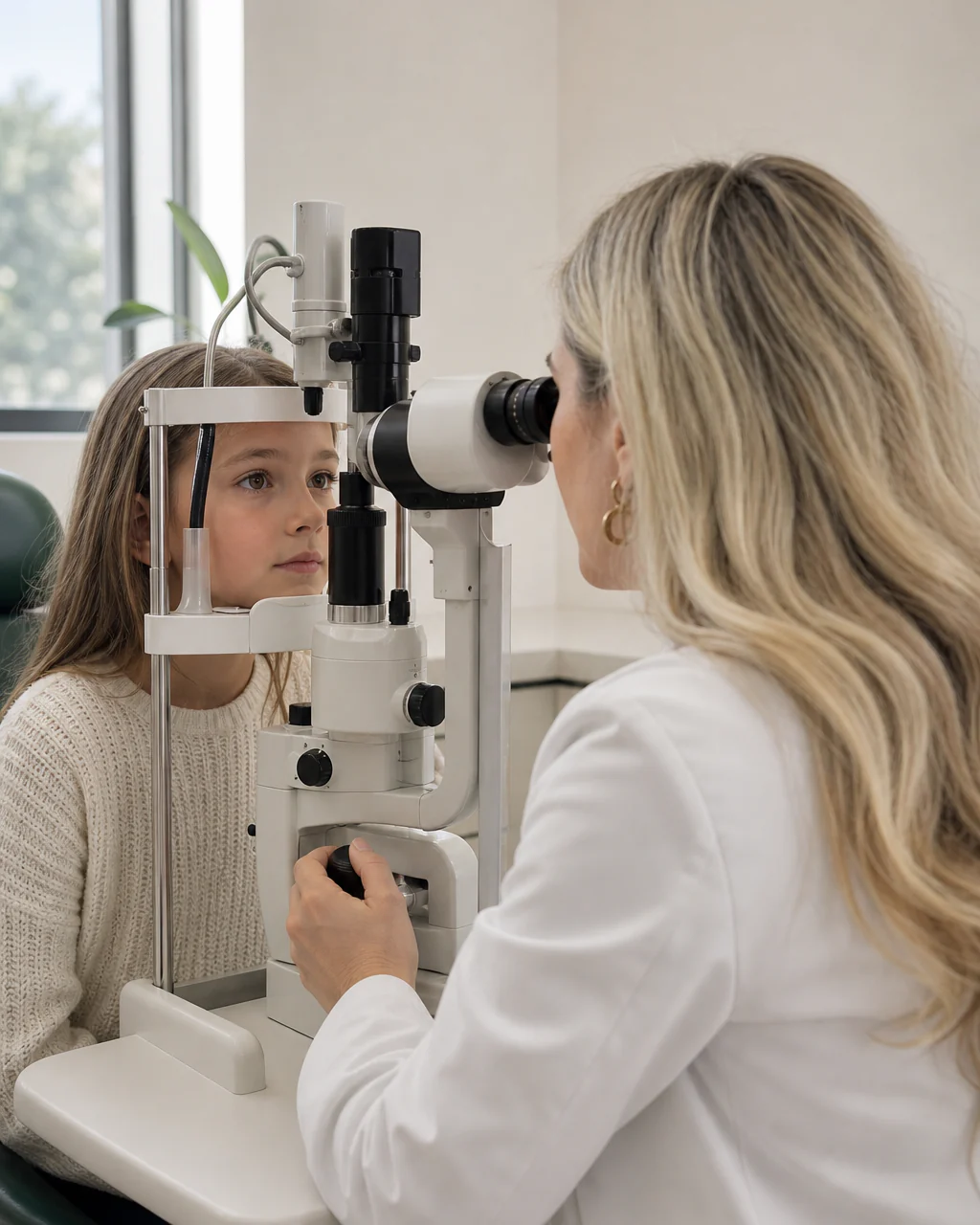
The assessment adapts to the child
No pressure. No pass or fail.
On this page
Vision develops
Children cannot always explain how they see.
Vision develops during the first years of life, and some problems may not be readily noticed by the child or their parents.
A child may assume that the way they see is normal, particularly when only one eye is affected. The assessment is adapted to the child’s age and does not depend on their ability to recognise letters.
Pictures, shapes, lights and objective measurements allow visual function to be assessed even in younger children.
The timing and frequency of assessments are determined individually by the ophthalmologist, based on age, clinical history and findings.
Paediatric eye care
A child’s visual system is constantly developing.
Each area is assessed in the context of the child’s age, development, ability to engage and clinical history.
02 / FOCUS
Myopia & refraction
Assessment for myopia, hypermetropia and astigmatism using age-appropriate methods.
03 / DEVELOPMENT
Amblyopia
Assessment of visual development in each eye and any difference between them.
04 / CO-ORDINATION
Strabismus
Assessment of alignment, eye movements and how the two eyes work together.
What parents may notice
Subtle behaviours that deserve attention.
One sign alone is not a diagnosis. If it persists or occurs alongside other findings, an ophthalmic assessment is appropriate.
01Moves very close to books or screens.
02Closes or covers one eye.
03Has difficulty seeing the board at school.
04Adopts an unusual head position.
05One eye appears to turn in or out.
06Reports blurred vision, double vision or headaches.
07Did not pass a vision screening assessment.
08Has a relevant family, developmental or medical history.
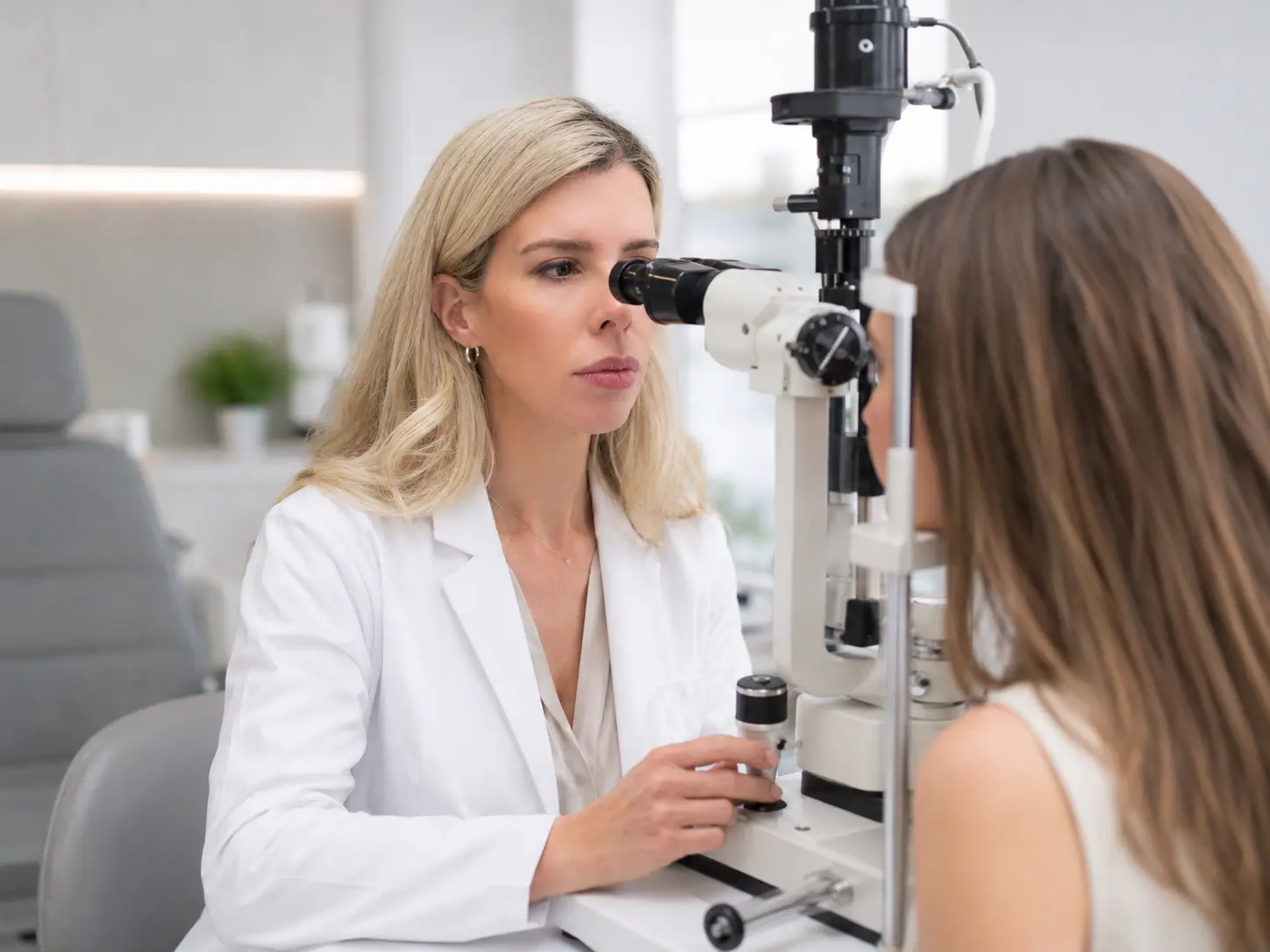
It is not a test
It is an experience tailored to the child.
The assessment experience
At the child’s own pace and within their abilities.
01Getting acquainted A calm conversation with the parent and time to become familiar with the setting.
02Pictures & play Assessment using pictures, shapes and lights.
03Eye assessment Vision, refraction, alignment, eye movements and ocular structures.
04Guidance for parents An explanation of the findings and a personalised plan.
Myopia in children
Myopia can change as a child grows.
Myopia often develops during childhood or the school years and may progress as the eye grows. Assessment includes refraction, visual function and the child’s clinical history.
Appropriate management and the frequency of follow-up are determined individually by the ophthalmologist.
01 / VISUAL DEVELOPMENT
Amblyopia
Amblyopia is reduced visual development in one or both eyes. It may be present even when the eyes appear normal and the child does not report blurred vision.
The assessment looks for any difference between the eyes and its possible cause, without presuming a treatment before the examination.
02 / ALIGNMENT
Strabismus
Strabismus is a misalignment or asymmetry in the direction of the eyes. Assessment considers alignment, eye movements and how the two eyes work together.
Management depends on the type of strabismus, the child’s age, vision and the overall findings.
Before the visit
A little preparation can help a child feel at ease.
01Bring any previous prescriptions or examination reports.
02Tell the ophthalmologist about premature birth, developmental history, medicines and relevant family conditions.
03Describe the visit as a chance to look at pictures and lights, rather than as a “test”.
04If eye drops are needed, the ophthalmologist will explain their purpose and temporary effects.
Frequently asked questions
Questions parents often ask before the first visit.
Can a child who does not recognise letters be assessed?
Yes. Pictures, symbols, lights, behavioural responses and objective measurements are used according to the child’s age.
Will eye drops be needed?
Not in every case. The ophthalmologist decides whether drops are needed according to the purpose and findings of the assessment.
Is a school vision screening sufficient?
Screening can identify children who may need further assessment, but it does not always replace a comprehensive eye examination when symptoms or risk factors are present.
How often should a child have an eye assessment?
There is no single schedule that is suitable for every child. Frequency is determined individually by the ophthalmologist, based on age, clinical history and findings.
Personal guidance
Do you have questions about your child’s vision?
Arrange a paediatric eye assessment tailored to your child’s age, ability to engage and individual needs.
Practice telephone: +30 697 421 2356
Medical information notice
This content is provided for general information and does not replace an individual diagnosis, clinical examination or advice from your treating ophthalmologist.